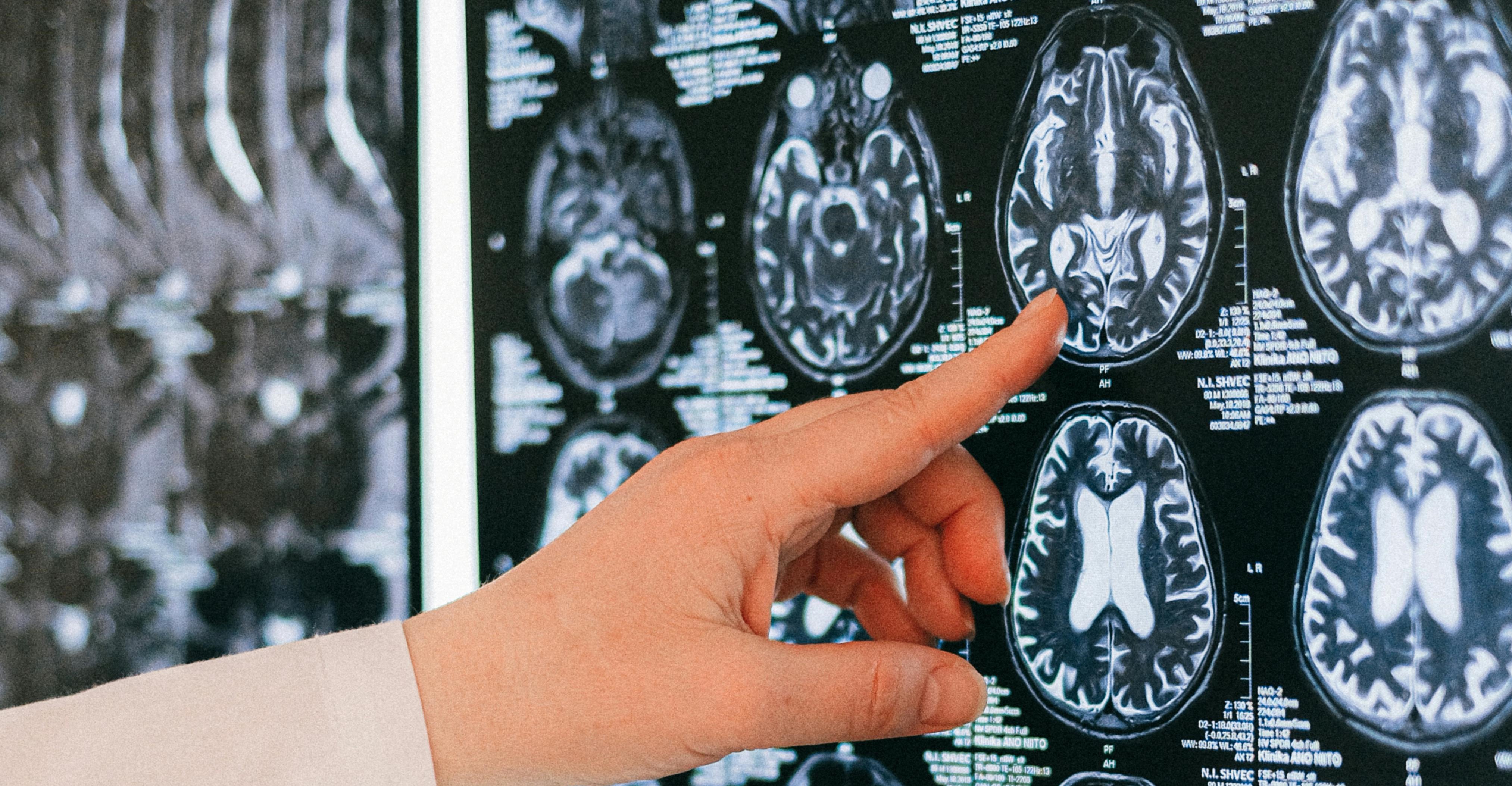
 Credits: Anna Shvets via Pexels
A philosophical essay by the sweet Tikami
It's All in Your Head
“Either way, it’s all in his head!”
That is what humans proudly declare when faced with manifestations of hypersensitivity, anorexia, eczema, depression, and a thousand other phenomena whose biophysical cause does not leap out at them.
And let me proclaim it loud and clear: it is entirely true.
Indeed, in humans as in other sentient beings, EVERYTHING ultimately takes shape within the neurons. If you were to lobotomize an average citizen, immediately, his health troubles, his unpaid rent, his social hang-ups, his plans for the coming decade, none of that would matter to him very much anymore. And this is no scoop. The human brain is by far the pinnacle of what Nature has managed to create in terms of complexity; it would have been quite surprising had consciousness turned out to originate in the teeth or the toes. But what I do not understand is why this “it’s all in your head” sounds like the final word, like a scientific conclusion requiring no further demonstration, one that single-handedly sums up everything there is to know on the subject.
External Causes
If there is one thing the History of Science teaches, it is that phenomena whose cause is in fact extremely external are all too readily dismissed as “purely psychological”, as psychosomatic.
How many poor souls, afflicted with stomach ulcers, found themselves bluntly told by those around them that they must be stressed, or hypochondriac? Until researchers proved, step by step, that it was in fact an infestation by the bacterium Helicobacter pylori. The same story holds for diseases of the large intestine, which, by the latest accounts, owe far less to Repressions of the Superego than to unfortunate interactions between microbes.
For centuries, parents of autistic children were made to feel guilty, on the - entirely gratuitous - grounds that an overly protective upbringing had prevented their offspring from developing social skills. A bit of Science later, it is now acknowledged that this neuro-developmental disorder does indeed have a multifactorial origin - genetic, epigenetic, environmental - but that parental influence plays next to no part in it.
Perhaps, human friends, you ought to stop reversing cause and effect - as when a patient’s anxiety is in fact the result of his own incomprehensible illness - and stop hunting for easy scapegoats for the ailments you do not yet understand? Perhaps you ought to have the courage to simply say, “I don’t know”?
Internal Causes
For certain conditions, experimental results demonstrate, on the contrary, the absence of any link with the rest of the body and the world. For example, severing the auditory nerve of a patient suffering from tinnitus does not eliminate the ringing he perceives.
But here again, saying “it’s all in your head” solves nothing. On the contrary, that is precisely when the real investigation begins, in order to treat what remains, after all, an organ - the brain.
Between psychology and psychiatry, between placebo and nocebo, between neurosis and psychosis, between neuronal metastructures and synaptic dysfunction, there lies a world of knowledge barely even grazed; among it lie the keys to understanding and treating ailments that affect an alarming - and growing - percentage of the population. Ailments that deserve just as much of our compassion and our care as sprained ankles and winter flus.
Knowing, for instance, whether some individual truly has a nervous system sensitive to electromagnetic waves, or whether it is anxiety that is damaging his health, is an interesting question for his therapists. But either way, it is tricky for us to hold forth with peremptory opinions on the subject, when even the specialists are still deep in research. And whatever the causes of the ailment may be, the only relevant question remains: how do we treat it?
 A glimpse of the author, the Tikami